We are up at daybreak and on the trail by 7.30am. We have another long day ahead of us: 28km, or about 9 hours of walking.
We quickly enter a thick forest dominated by blue oak, paper mulberry, figs, and blackboards.

Some lovely flowers in bloom:

The underbrush is thick on the steep slopes, which makes it easy to spot deer trails when they cross ours.
Or to spot deer when they drop dead on the trail.
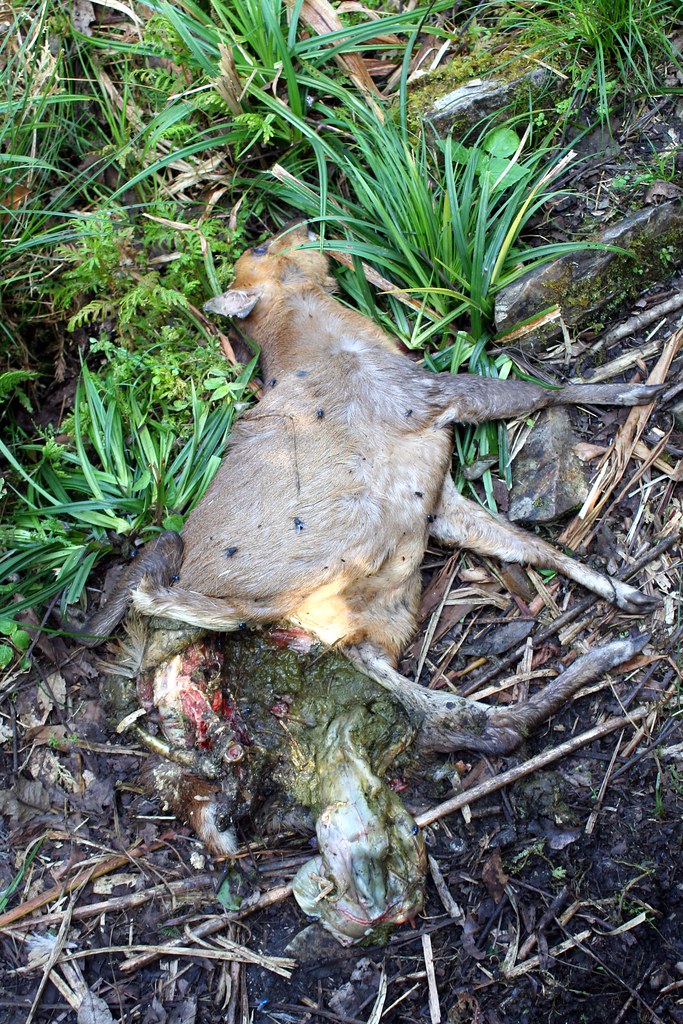
It’s a barking deer of all things. Richard is in mourning and we all suspect Dave and Mai who are ahead of us on the trail.
Or possibly it was this ferocious bear:
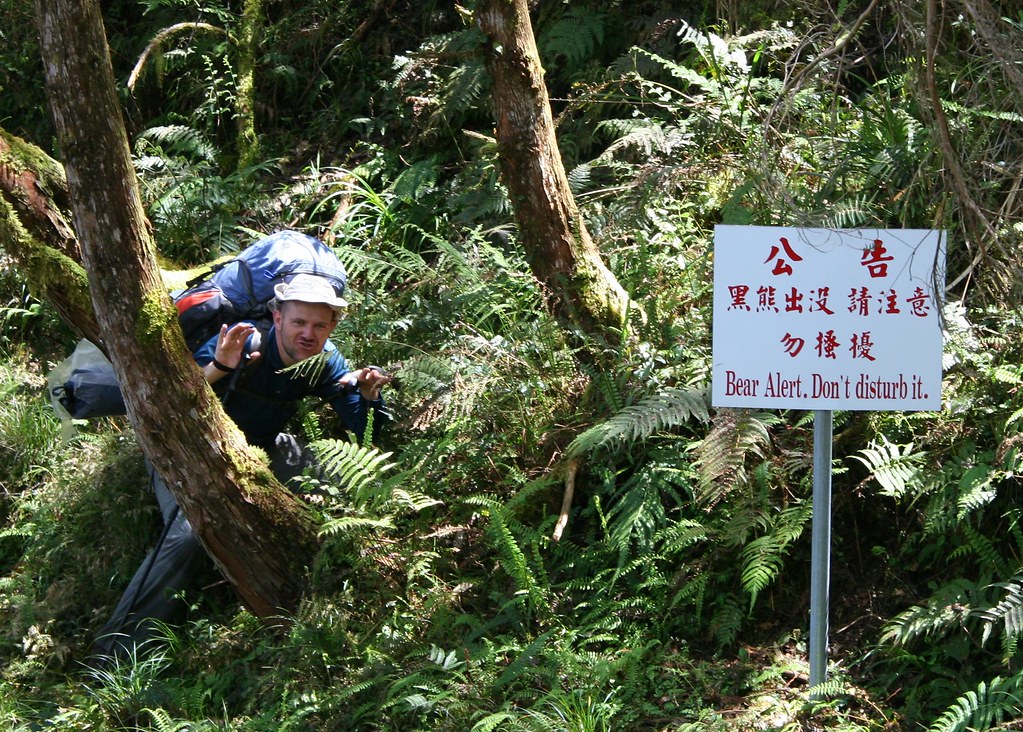
About three hours out of Baolai we turn a bend on the ridge and leave the forest behind. I’m not sure entirely why but the slopes are now covered in high silver grass, much like you find in Yangmingshan in the north.
The path hugs the slopes as we begin our decent into the Laku Laku Valley. The views across the valley, which Stephen notes is 1km both across and down, are delightfully clear and impressive.
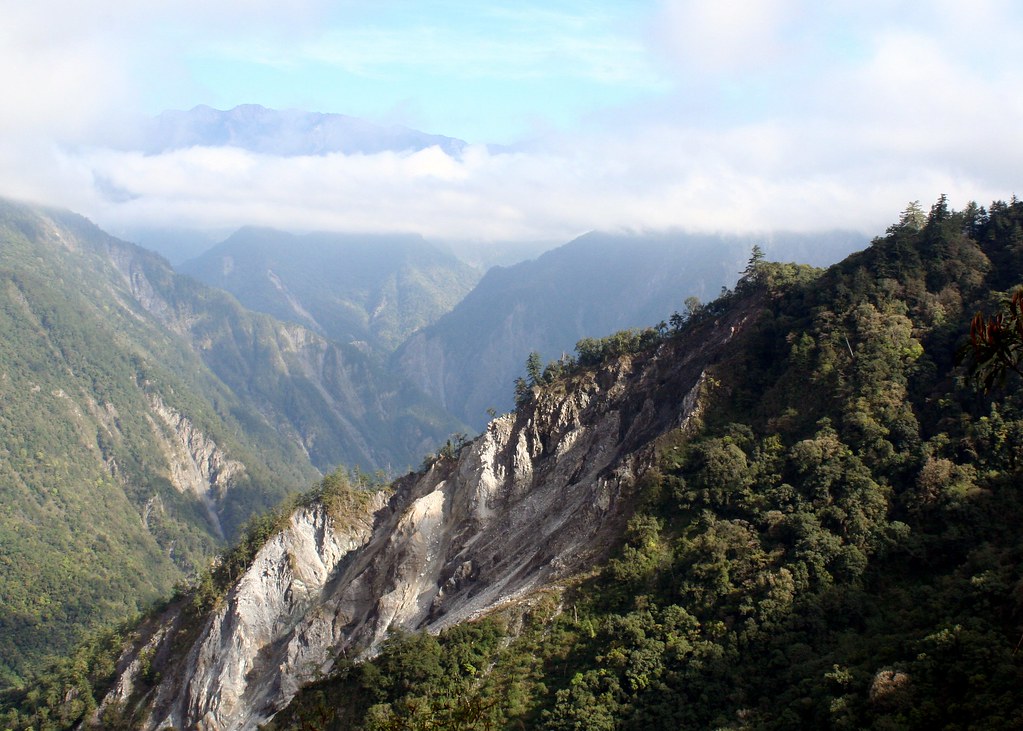
Stephen has a keen eye for rocks and notices some marble deposits in the rocks. The geology, as we learn later from Dave and Mai, is changing, from loose shale to harder quartz-mica schists. As a result we see no landslides on our side of the valley, though plenty on the other side from where we came. It was fascinating to be shown how different types of stone can affect the landscape and also trail conditions. I’d never really given it any thought at all before.
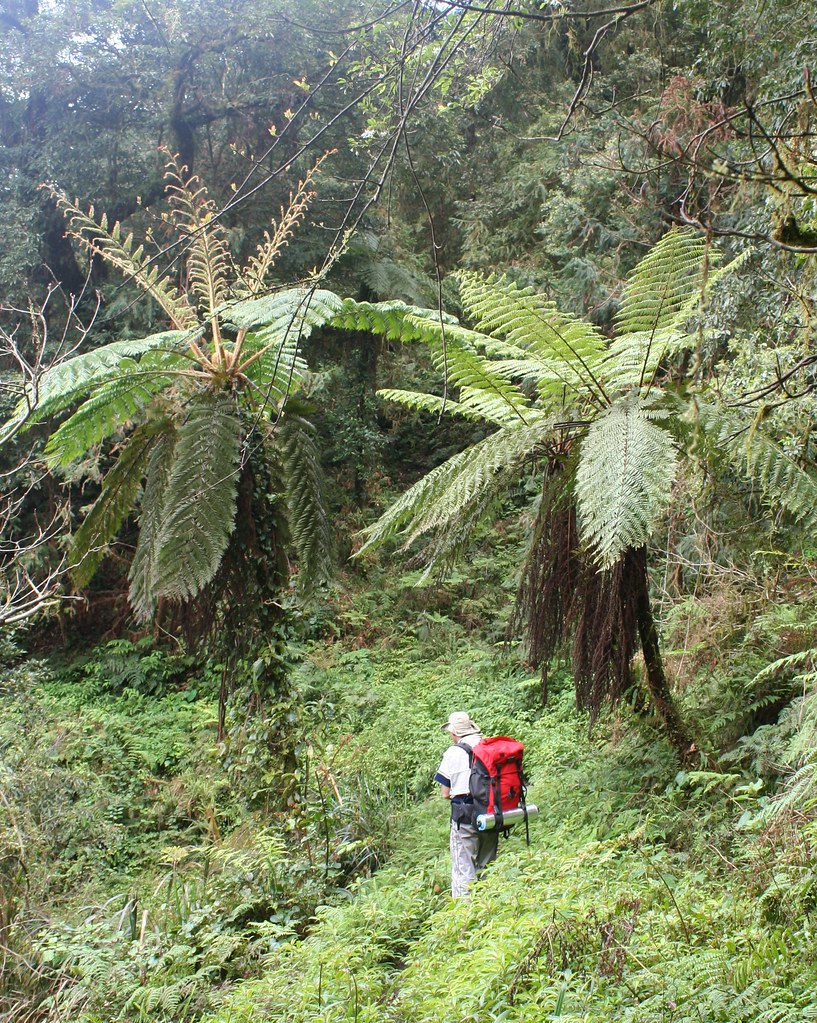
On the last stretch before Walami the forest starts to sprout giant ferns as I often see in my hikes in the north around Wulai. Replanted Japanese cedar also abound which is ironic as the name for the area translates into Pine Forest.
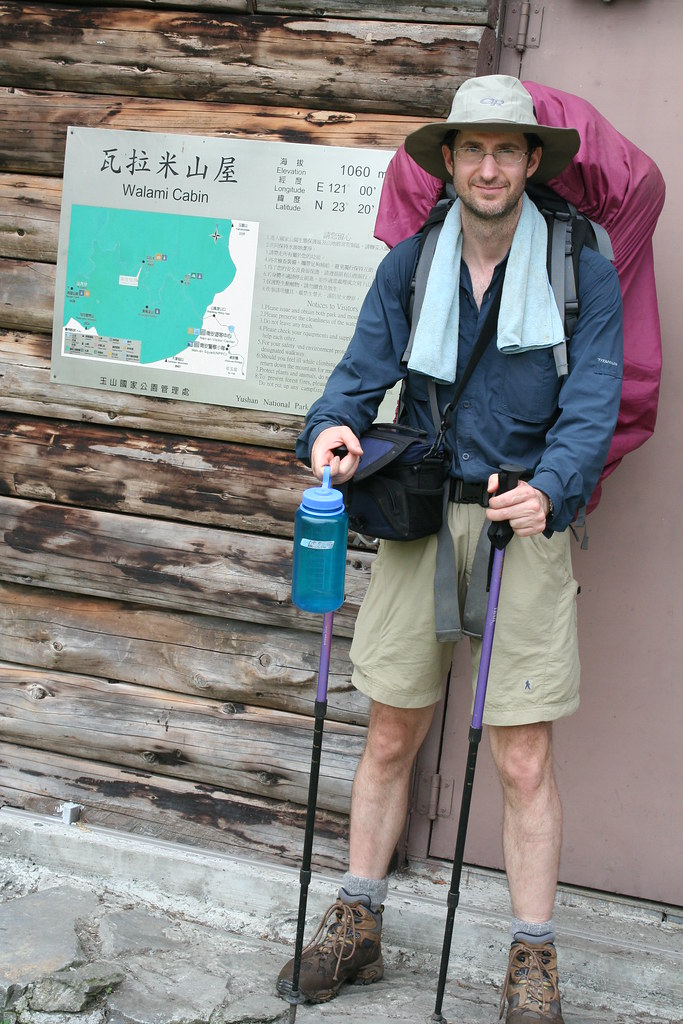
We arrive at the Walami cabin (elevation 1060m) at noon. Its a lovely log walled structure with clean manicured grounds. The whole setup looks like a national park visitor center (with toilets and running water) though inside are bunk beds like in all the other cabins.
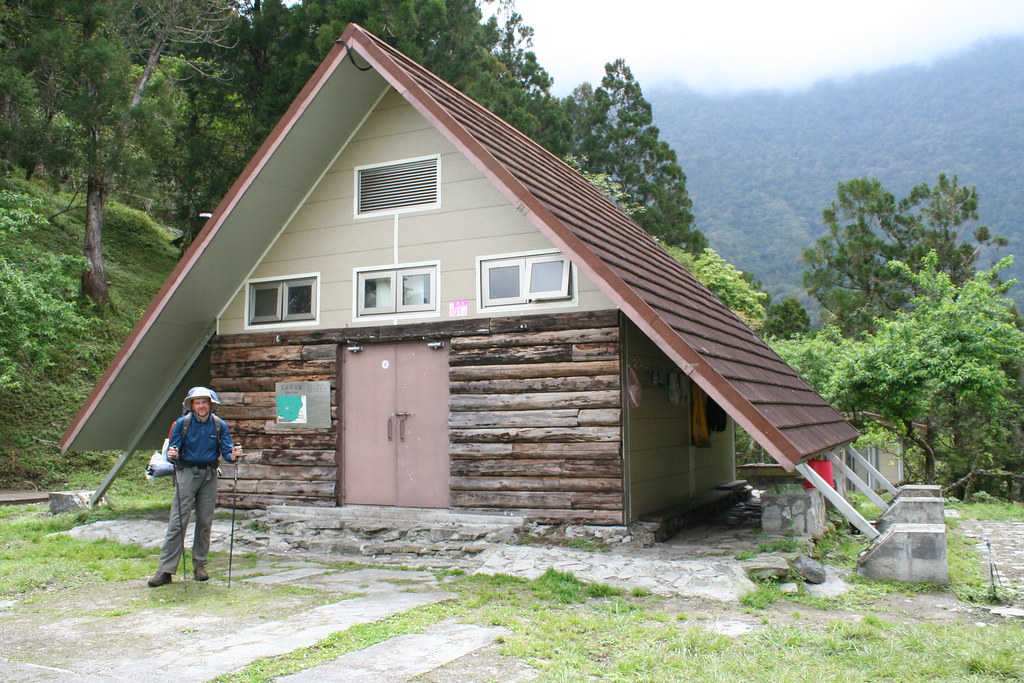
I’ll have to return to spend the night here. It’s still enough of a hike that you don’t get too many day trippers. It’s also the perfect (the only) venue to start my Walami Salami enterprise.
There’s a large extended family picnicking here, and they try to be nice. But we really aren’t in the mood for English lessons, or being the grateful recipients of a Taiwanese lunch that was one course too big. Well, one guy does give us half a large bar of dark chocolate. We like that.
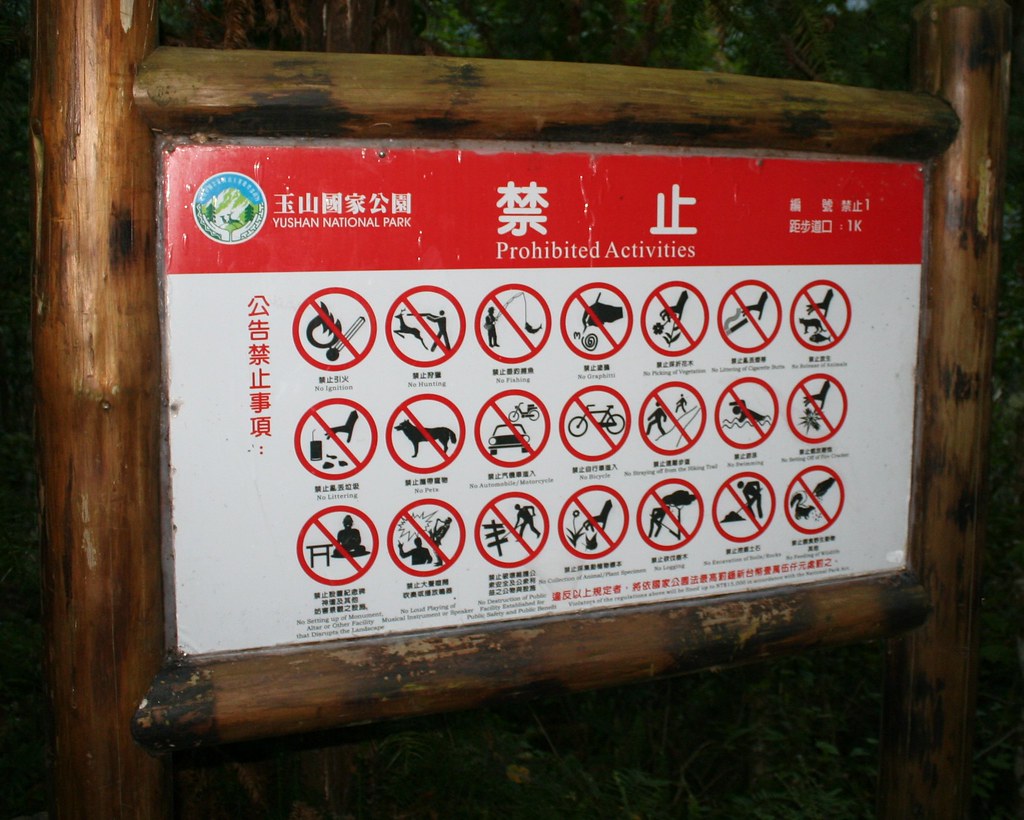
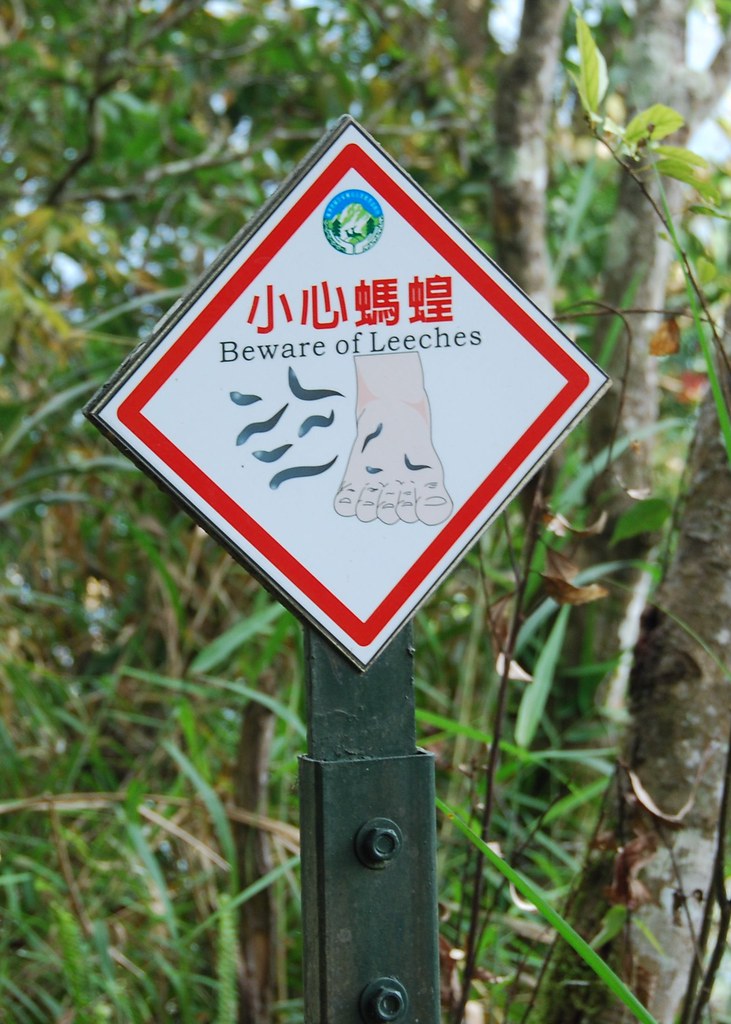
Nice sign warning about leeches. They should have had one about 3 days back, as well.
We leave Walami around 1.30pm. Once again the forest starts to change, more typical of sub-1000m terrain: there’s Chinese yew, crape murtle, camphor, also wax trees, soapnut trees, paper mulberry, pigeon trees, and still some replanted Japanese cedar. It’s also the first time on the whole trail I’ve seen dear old bird’s nest ferns sprouting up from machilus.
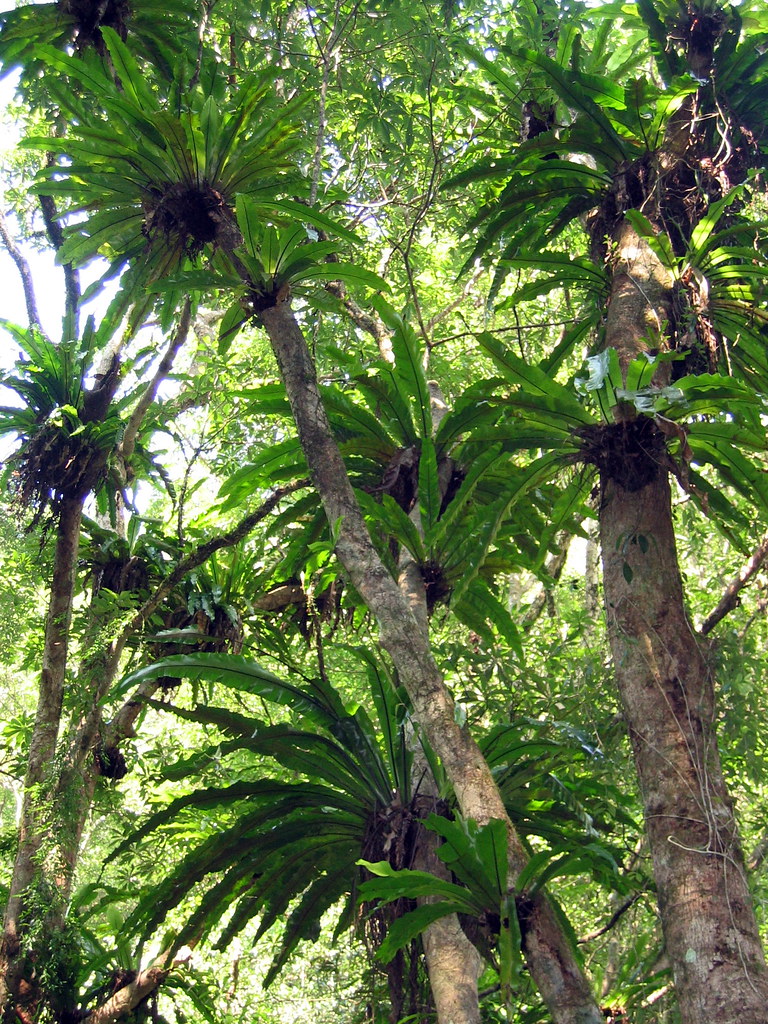
The forest looks a lot like Wulai’s Red River Valley but just a little more open and with wider views across the Laku Laku Valley.
From Walami the trail is wide and gentle (you could bike the whole thing) and we walk slowly, taking lots of pictures and enjoying our time. We see more people now though it is hardly crowded.
I don’t want this to end even though I would love to stop walking and enjoy a beer. Richard too apparently.

I start to go over what I learned as I walk. I think about my cooking, how well my menu worked out for the week (incredibly, I gained 1.5k), and about pushing my body more than I thought I still could. Especially on so little sleep. I make a mental note that Panadol really helps the feet and shoulders on a long day.
I’m also loving that the last few hours are a really strong finish to a great trail. There are beautiful wide clear views across the valley, dominated by a towering green pyramid of a mountain. The forest is lush and varied, and has that soft, inviting look as it did on the first day. There are still some cool old suspension bridges to cross and some excellent old sections of the stone trail still etched into the slopes.
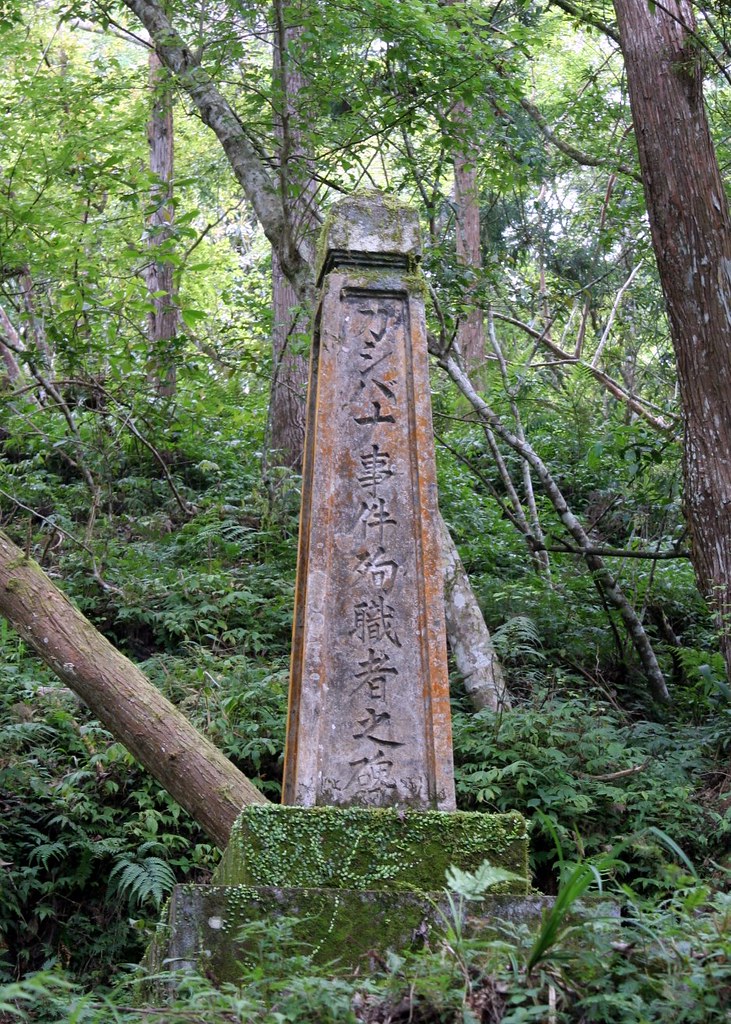
And one of the coolest looking steles:
We reach Jiasin around 4pm. The name means great view and they weren’t kidding. It’s also the site of a new campground, one of the nicest I have seen in Taiwan (and I have seen some lovely ones). There are showers, bathrooms, and an outdoor kitchen area made of slate piled on slate (in the Ruiki aboriginal way). If you hike this trail, try to time it so you get to spend a night here at the end.
The last two hours pass with a mixture of wonder, reflection, meditation and the shifting of my pack to try to lessen the throbbing pain in the knees, ankles and left shoulder.
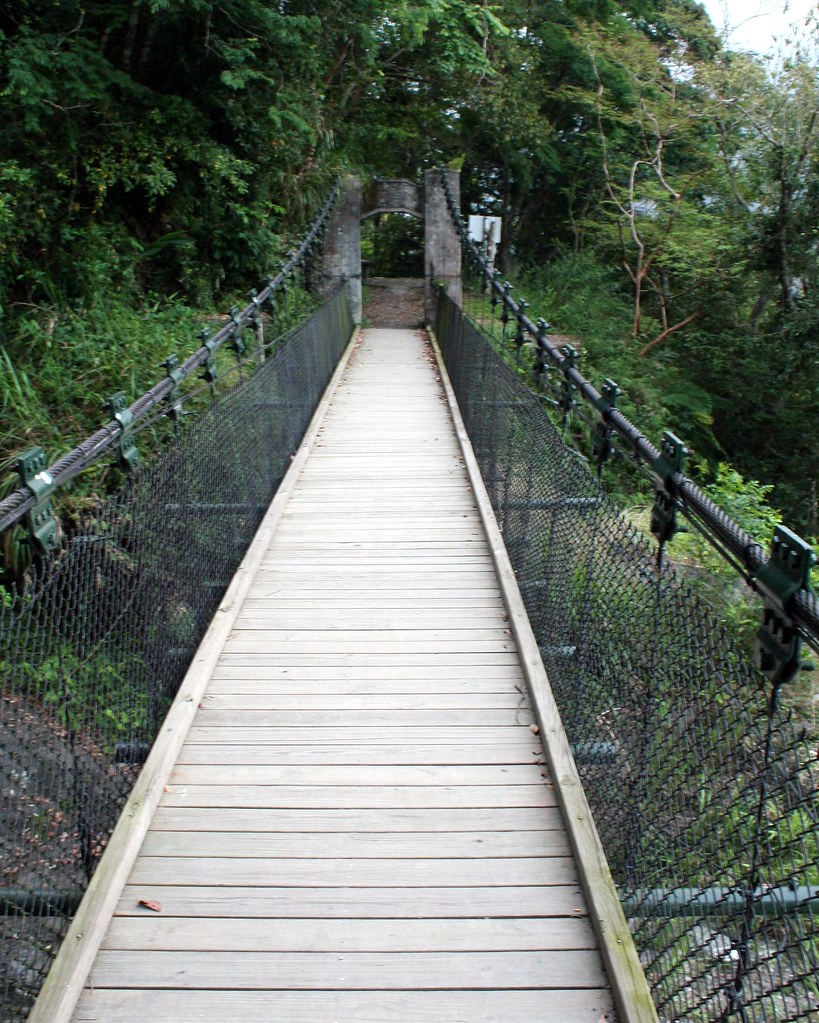
We cross historic Shanfong Suspension Bridge and I know we are almost at the trailhead.
And then we make it to the tarmac, just as the sky is darkening.
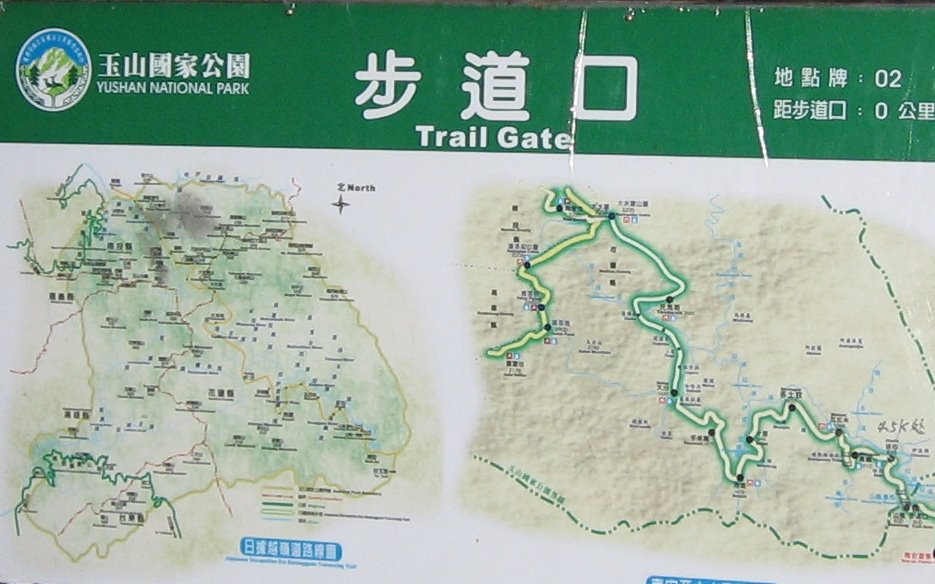
Richard has asked a taxi driver, who was leaving then with passengers, if he will return to pick us up. He says yes. There is nothing to do but wait.
It grows darker and Mai spots a gleam of weak light in the bushes. A firefly! What great luck. But there are more. Dozens then hundreds, lining both sides of the path all the way to Shanfong bridge.
It seems like the perfect ending to the hike, but we have one more treat. Instead of a taxi returning to pick us up, it is a van big enough to carry all of us and our gear. Driving the van is a Frenchman, who turns out to be a Catholic missionary named Father Moet who has been in Taiwan for 40 years. As he drove us back to Yuli, Father Moet offers to let us stay in the church. They have a room with a shower on the 3rd floor. How could we say no?
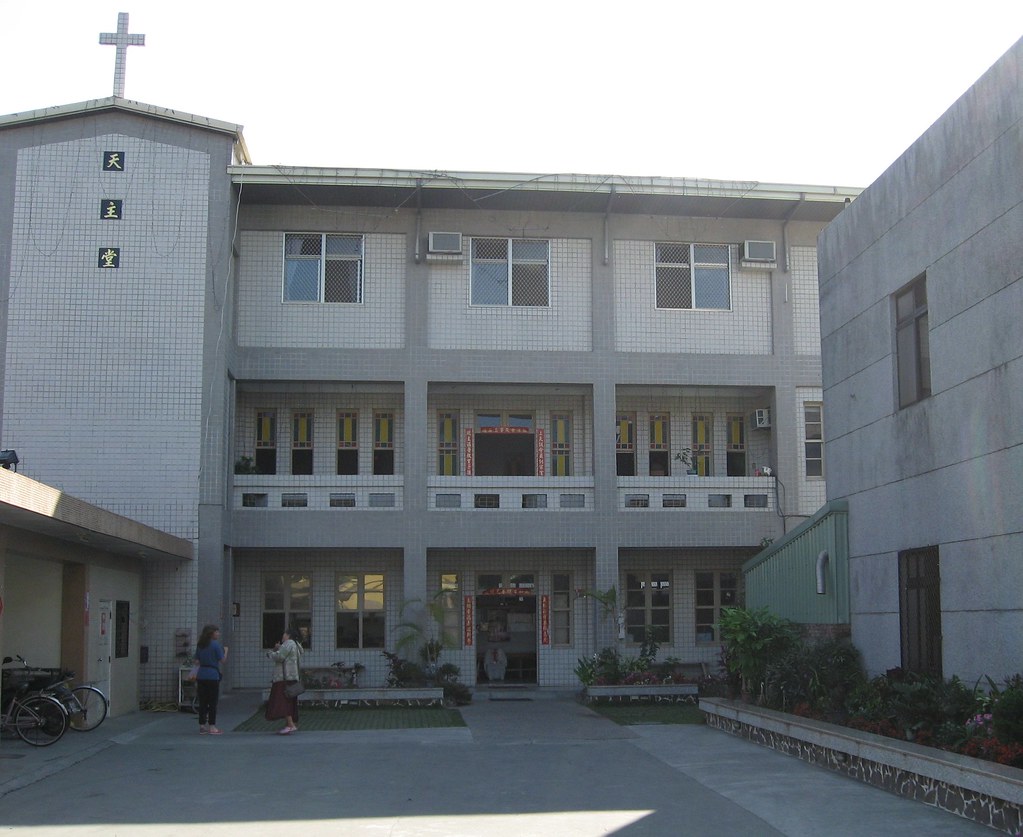
After dropping our packs and grabbing a quick shower (and shave for some of us) we head out to dinner. We find a local steak house and gorge on red meat and two grocery baskets filled with Taiwan beer. Father Moet was hoping to join us for a drink later but must have gotten sidetracked. It’s a shame, I would have loved to have heard some of his stories.
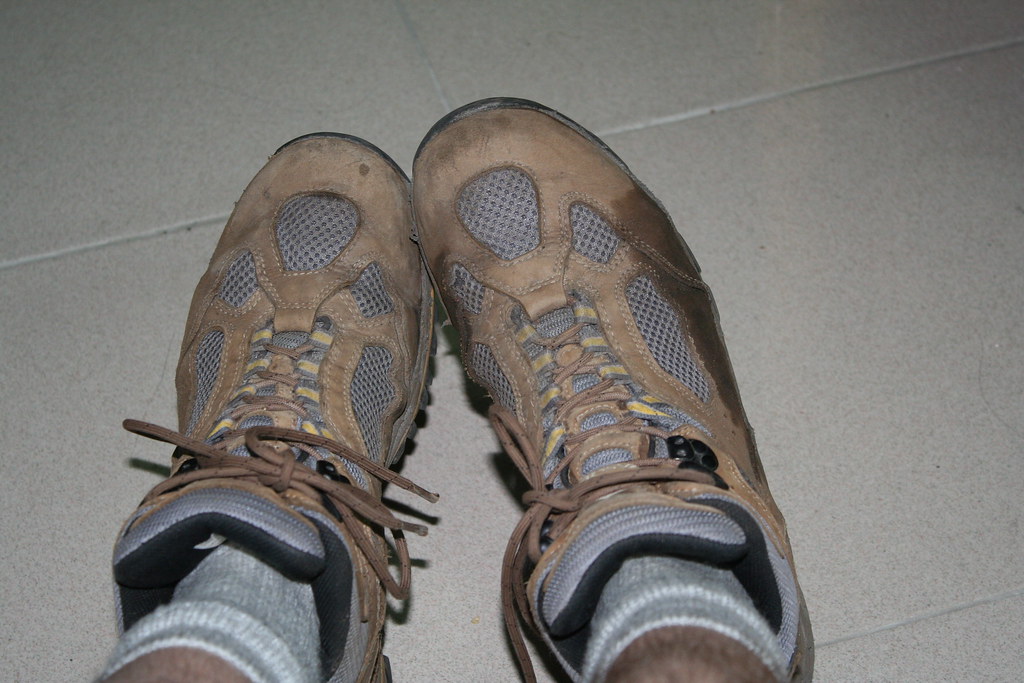
Later that night, Dave and Mai make a strange discovery: our right feet are all wetter than our left. No one really understands why.
The next morning, a little hung over for sure, we catch a train from Yuli to Kaohsiung, where we finally part ways. For me, it’s a KMRT to the HSR, a HSR to Taipei, then an MRT to Qizhang and a taxi home sweet home.

Damn, I find my larder is empty. There’s nothing to eat but the rest of my pasta and tuna from the hike.
Click here for my Seven day Menu.
Practicalities:
There are some streams in the first hour or two from Baoyai, then nothing until Walami.
From Walami to Jiasin (3 hours) there are small streams so carry 2L and top up. After Jiasin I don’t recall any water that was accessible but it’s only another 2 hours.